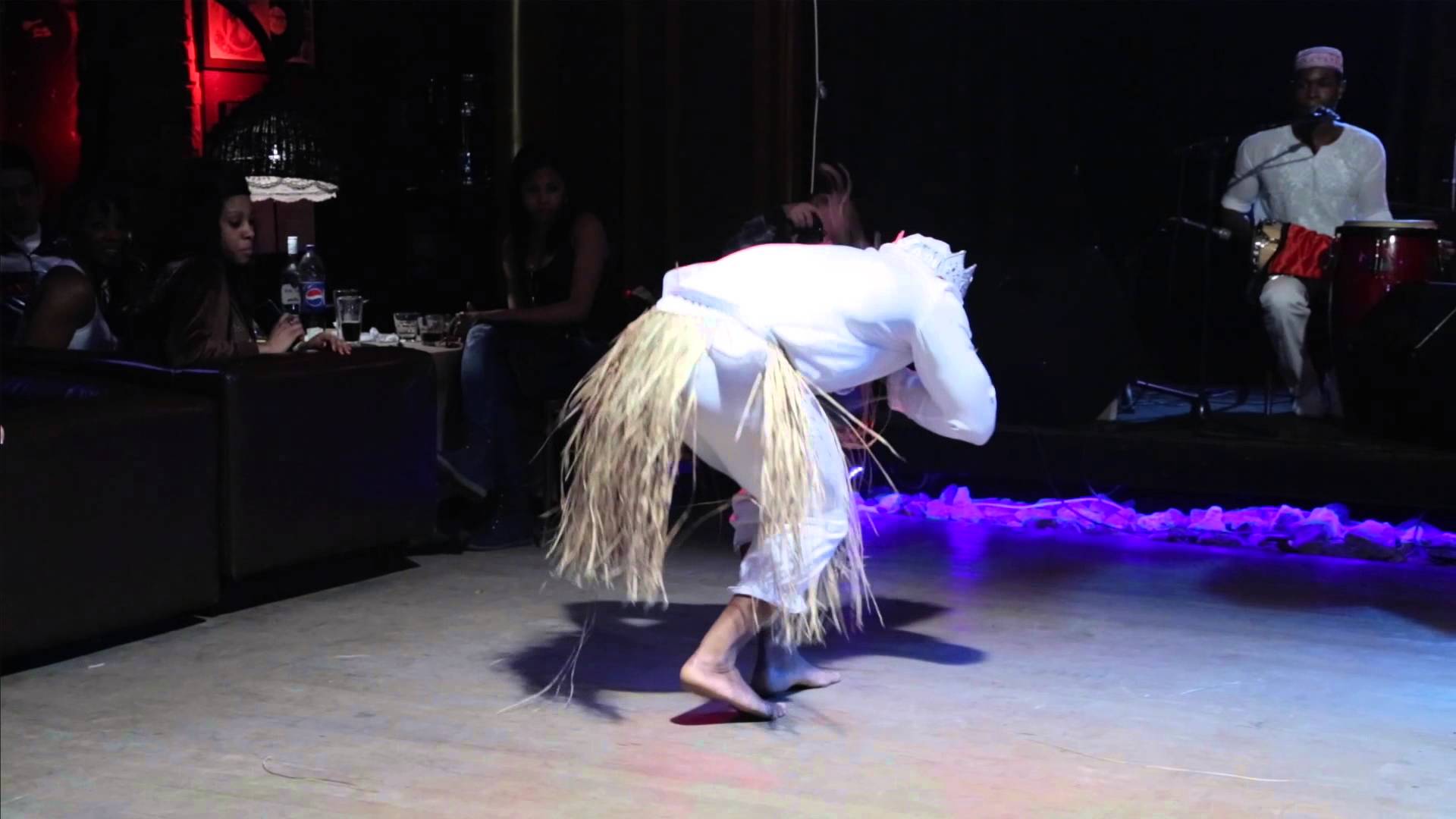
A group of Afro-Mexicans living in the southern state of Oaxaca, Mexico, have embraced African traditional dances with the aim of connecting the community with their African roots. The dance troupe, known as Obatala, has been touring different parts of the state of Oaxaca creating awareness around their ancestral African heritage with their energetic and unique African dances.
“All dances are from Africa’s northeastern region. We chose this area because after researching on the Internet, we realized that that’s where the slaves that came from our town came from. Our dance troupe did the research and we learned those dances,”
Anai Herrera, one of the lead dancers, explained to Ventures Africa.
What’s the Motivation?
According to Herrera, the Afro-Mexican dance group identifies itself with a popular Yoruba deity called Obatala, who is believed to be the oldest of gods generally referred to as Orisas in Nigeria. Obatala, who is always adorned in white, is also said to be the father of many other Orisas. While this god is synonymous with the Yoruba community in Nigeria, he is also very popular in Latin America.
Herrera says they decided to form the dance group, which mainly consists of young girls, as a way of enlightening their fellow Afro-Mexicans about their ancestral African culture. She notes that the Afro-Mexican community, which is comprised of approximately one million people, is not referenced in history classes in Mexico, denying children the opportunity to learn about their origin.
“In school, they teach our children about Europeans and indigenous natives, but the history books practically don’t recognize our history,” Herrera added.
The existing Afro-Mexicans are descendants of Africans who were brought to Mexico by Spanish authorities to work as slaves in their farms and factories in 1519. The slaves worked in harsh conditions and the only way they could avoid the hardships was to escape.
After many years of captivity, the slaves, led by a group of escapees, successfully put up resistance against their monarchs, which compelled the Spanish Crown to grant them land and freedom.
Led by Gasper Yanga – a slave elder and lead organizer of the uprising – the freed African slaves established the first free African township in San Lorenzo de los Negros, near Veracruz. The town was later renamed to Yanga in honor of the beloved leader, who is believed to be a descendant of the royal house of Gabon.
Black Mexicans
After living in Mexico for thousands of years, Black Mexicans were officially recognized as part of the country’s population in 2015. However, activists in Mexico are still pushing for the inclusion of the term “Afro-Mexican” in the country’s constitution, arguing that the continued omission of the term in the supreme law paves way for marginalization.
The Obatala dance group now hopes to make people in Mexico and the world at large aware of the existence of Afro-Mexicans and ensure Black Mexicans are proud of their history.