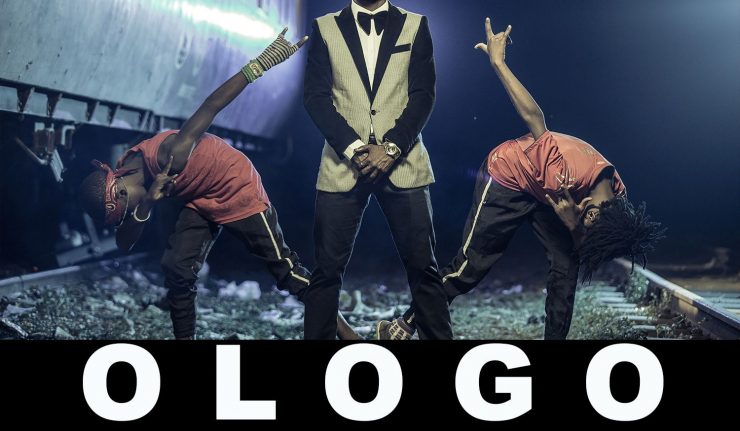
The popular Ugandan Masaka Kids Africana dance group is making headlines once again with a new dance video for the song “Movie Star” by Mi Casa, featuring Eddy Kenzo.
In front of a house, a medley of about six youths dance and sing along to “Movie Star” while the other youths in the frame play football with a coconut.
Similar to Uganda’s popular Ghetto Kids, Masaka Kids Africana — most of which appear to be between the ages of 3 and 9 years old — display their dancing skills for the world to see while their unfazed jajas (or grandmothers) look on in their traditional busutis (traditional dress).
At press time, the video, which was released a month ago, has already garnered more than 3,700 views on YouTube, with most viewers leaving positive comments and promising to support the group in whatever possible way:
Vigen Ghazarian writes: « Love it……. This is what I call True Talent…..More please…. »
Marc Rogers applauds: « I really love these kids that’s why my YouTube page is full of their videos. »
And Caroline Nakamya adds: « Woooooow this is really good, the Creativity is soooo massive. »
More Than a Dance Group
Masaka Kids Africana is made up of 11 talented kids from Masaka village in Kayirikiti, Uganda, and was formed in March 2013 by young Ugandan Sir. Ssuuna Hassaan who also serves as the group’s general manager.
“Many have lost one or both parents through the devastation of war, famine, and disease,” DJ John Pro, the group’s producer, told Face2Face Africa in an exclusive interview.
“They represent all the children of a continent, and they demonstrate the potential of African children to be strong leaders for a better future in their land through our guidance.”
Apart from dancing, the group also functions as a non-governmental organization established to empower children, mobilize communities, and build their futures.
Watch the children of Masaka learn some of their studies here:
[embedyt] http://www.youtube.com/watch?v=iAJR3kRB5uY[/embedyt]
A Bright Future
So far, the group has created nine successful videos for internationally celebrated artists, such as Kenzo, Zil, and Mi Casa.
DJ John also said the group’s plan for the future is to enroll more Ugandan children in to the group and provide them with a loving and safe environment, where they can grow physically, mentally, and spiritually.
He added that there are more orphans in Uganda than anywhere else in the world, with most of these kids being orphaned at a very tender age due to the AIDS epidemic, civil war, and extreme poverty.
“We’re on the ground in Uganda to help as many of these young people as we can. We are looking forward to giving children safe shelter, food, clothing, education, and medical care,” DJ John said.
Through the program Masaka Kids Africana, DJ John hopes to provide kids from underprivileged families in Uganda with good education facilities and better life skills that will make their future bright.
The organization is also calling upon volunteers to help it create an environment where no child goes to bed hungry or lacks basic education.